

De Soto’s Flooding Isn’t “Normal” One Resident Has Spent a Decade Proving It
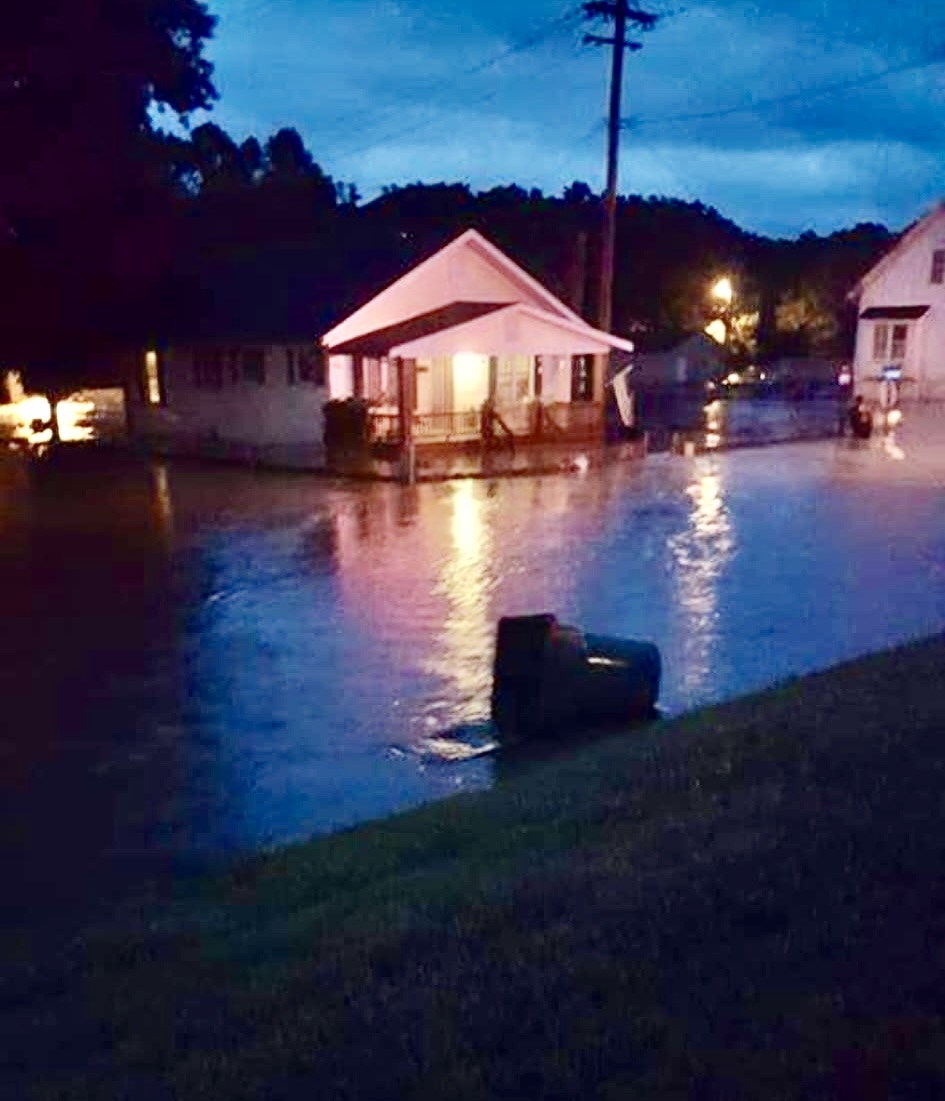
In August of 2016, boats were moving down Main Street in De Soto.
Not along a river,but through neighborhoods.
Between houses.
Past front porches.
For Susan Liley, the moment that changed everything wasn’t the water itself. It was what came after. Her granddaughter looked up at her and asked, “Grandma, what are we going to do?” Liley’s first answer was the one many residents had grown used to giving: nothing.Then she went home, thought about it, and realized how wrong that answer was.
It’s your town. Start fighting.”
She has been fighting ever since.
A Problem Many Have Accepted But Shouldn’t
For years, flooding in De Soto has been treated as something unavoidable. A consequence of geography. A reality of living near water. Liley says that mindset is one of the biggest obstacles the community faces.
Unlike river communities that have days to prepare for rising water, De Soto operates on a much tighter timeline.
There is no long warning. There are no slow crests. There are minutes.
During heavy rain, Liley and De Soto City Manager Todd Melkus monitor USGS gauges late into the night, sometimes texting back and forth as water levels rise toward evacuation thresholds.
In just the past six months, Liley says the town has come dangerously close to flooding multiple times; saved, in her view, by recent mitigation efforts that are beginning to work.
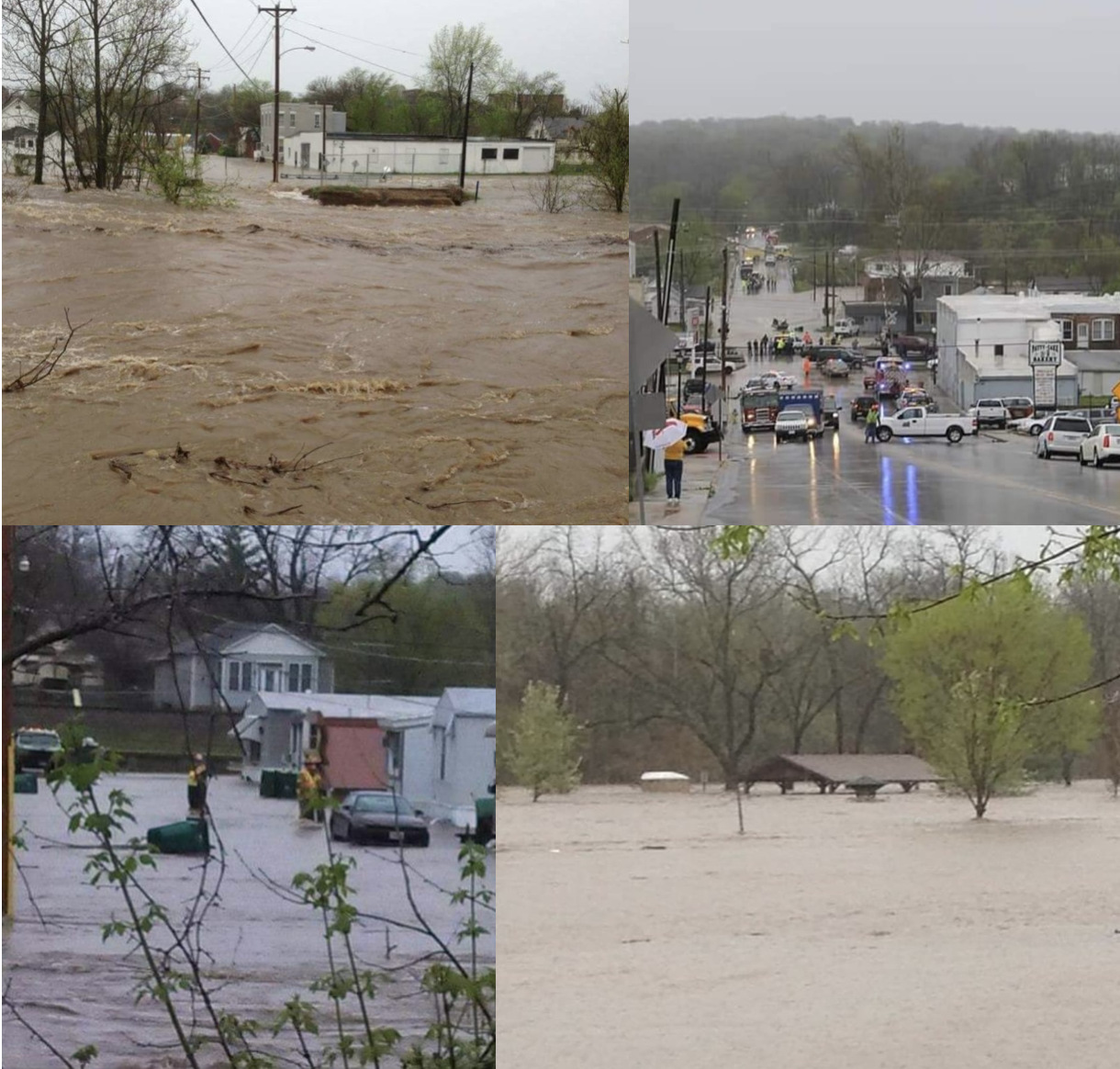
What residents have experienced isn’t theoretical. It looks like this:
A Solution Hidden in Plain Sight
Over the past several years, Liley and others on the board of the Citizens' Committee for Flood Relief have worked to implement natural flood mitigation strategies.
Solutions that don’t rely solely on pipes, pumps, or concrete. Instead, they rely on the land itself.
One of the most visible examples is what locals now call “Freddy’s Pond.” Using funding secured with the help of environmental advocate Harriet Festing, the community restored and deepened an existing farm pond and paired it with a seven-acre prairie designed to absorb runoff.
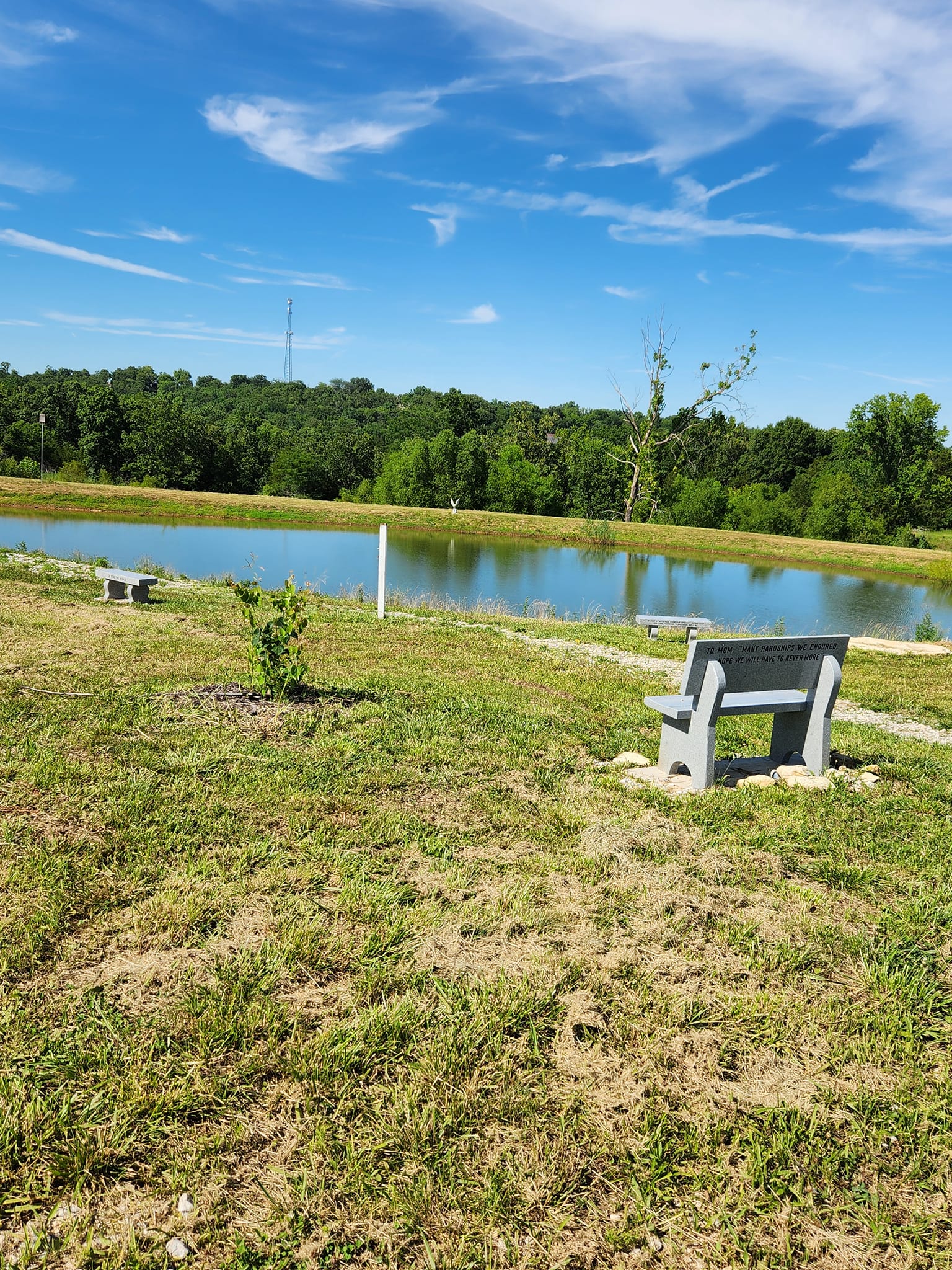
That “pool” is now doing exactly that.
In recent storms that historically would have flooded downtown, Main Street remained dry. Liley believes the pond and prairie made the difference.
More Than Flood Control
What makes the project unique is that it doesn’t just prevent damage, it creates opportunity.
Freddy’s Pond has become a usable community space, with fishing, walking, and open green land.
On June 6, the site will host a fishing tournament, drawing attention not only to the pond itself but to the broader idea behind it.
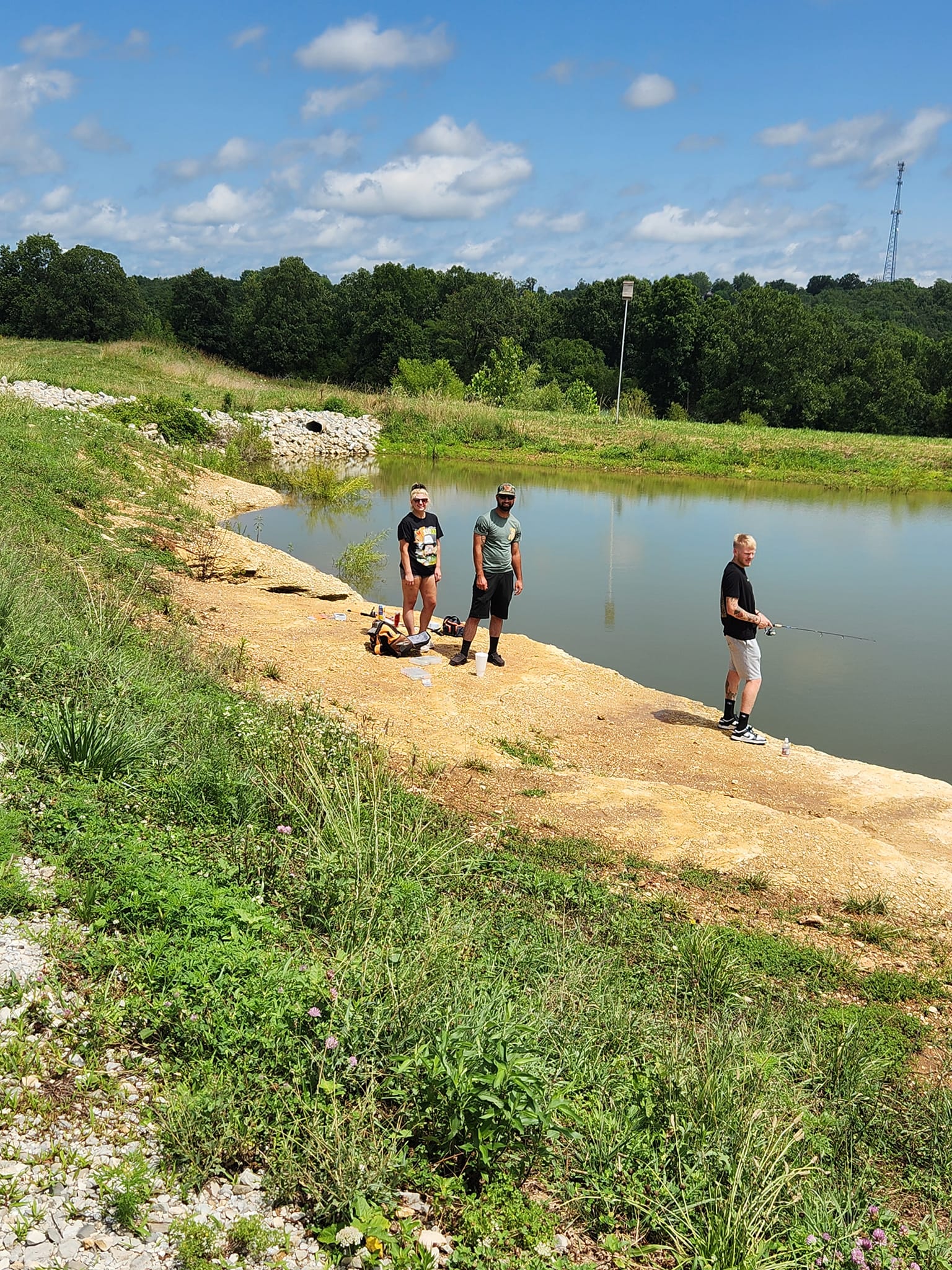
Flood mitigation, Liley argues, doesn’t have to come at the expense of quality of life. It can improve it.
The Hidden Health Risk
But the urgency behind this issue goes far beyond inconvenience or property damage. De Soto sits on a lead Superfund site, meaning contaminants already exist in the soil. When floodwaters move through the area, they don’t just carry water, they carry whatever is in the ground with it.
That includes lead, arsenic, and other harmful materials. Once inside homes, those contaminants can settle into foundations, crawl spaces, and building materials. When water isn’t properly removed, mold follows. The long-term effects can be severe.
Liley has spent years walking through affected neighborhoods, helping residents navigate buyouts and recovery efforts. Along the way, she has witnessed patterns she believes are impossible to ignore: chronic illness, respiratory issues, and serious health complications in flood-affected homes.
A System That Can’t Solve This Alone
Despite local efforts, the scale of the problem extends far beyond what a small community can handle. A proposed $16.4 million flood mitigation project for De Soto is already designed and "shovel-ready", but funding has yet to come through.
Previous grant opportunities, including federal BRIC funding tied to home buyouts, have been delayed or withdrawn due to administrative changes.
At one point, several homeowners had already been notified they would receive buyouts, only to have those offers rescinded. Liley says those moments are some of the hardest.
Still, she continues pushing forward, working with local leaders including Todd Melkus and, more recently, County Councilman Tim Brown.
She has also stayed in contact with state and federal offices, crediting Senator Josh Hawley’s office with being responsive while noting that reaching other offices has been more difficult.
Even with limited funding, the group has continued making progress through support from outside organizations.
She said Anthropocene Alliance, the Rose Foundation, and the Climigration Network have all played a role in helping families move forward.
She said the first five buyouts were each able to receive an additional $2,000 for moving expenses, thanks to help from the Climigration Network.
She also said the same network is helping pay for a video to document the effort and bring more attention to the need.
Still, she believes more support is needed from local, state, and federal leaders to keep the momentum going.
She said she hopes the next six to eight buyouts will be completed soon and called the effort deeply meaningful for the families involved.
She is also hoping to push the conversation further in Jefferson City through an op-ed focused on the need for stronger action.
She said the goal is to secure CAPS funding through the U.S. Army Corps of Engineers and pursue solutions similar to what has been done in Arnold.
A Call for Attention, Before It’s Too Late
Upstream from De Soto, multiple dams add another layer of risk. In a worst-case scenario, failure at one of those sites could send water through the community with little to no warning. For Liley, that reality reinforces what she has been saying for years.

What You Can Do
Flooding in De Soto is not just a local issue. It is a regional and statewide concern that requires broader support. Residents can help by contacting state and federal representatives and urging them to prioritize funding for flood mitigation, infrastructure improvements, and voluntary home buyouts in vulnerable areas.
Subject: Support Flood Mitigation Funding for De Soto, Missouri
I am writing to ask for your support in securing state and federal funding for flood mitigation efforts in De Soto, Missouri.
This is not a future problem. It is already happening. Residents are facing repeated flooding with little warning, and the long-term health risks from contamination and mold are serious.
Local leaders and community members have already taken action, but the scale of this issue requires state and federal support.
Please prioritize funding for flood mitigation, buyouts, and infrastructure improvements in De Soto.
Liley knows the work is far from finished. But ten years after telling her granddaughter there was nothing they could do, her answer has changed.
There is something that can be done.
The question now is whether enough people are willing to do it.
381 Russell Senate Office Building
Washington, DC 20510
Phone: 202-224-6154
Contact Online
1113 Longworth House Office Building
Washington, DC 20515
Phone: 202-225-2956
Contact Online
404 Russell Senate Office Building
Washington, DC 20510
Phone: 202-225-5721
Contact Online
Stories like this don’t reach your doorstep by accident. They are reported, written, and delivered so you can stay informed on the issues shaping Jefferson County.
The Jefferson Review is delivered free to your inbox every Thursday and Sunday—covering local government, development, and the stories that matter most to your community.